Understanding Halal Food Certification in Kitchens
Category : | Sub Category : Posted on 2025-11-03 22:25:23
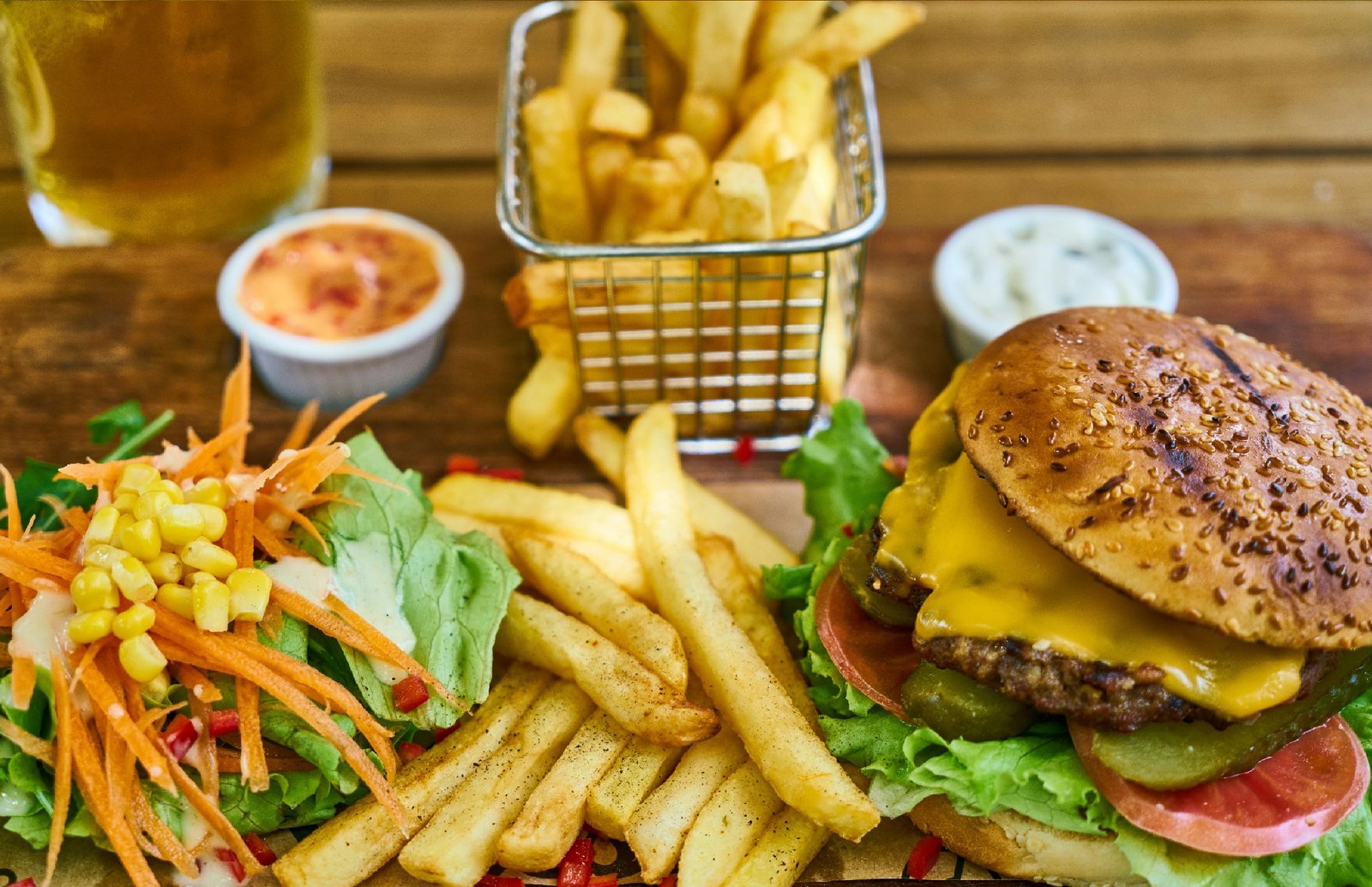
In today's multicultural and diverse society, the demand for halal food has been steadily increasing. Halal food refers to food that adheres to Islamic dietary laws, encompassing both what is allowed (halal) and what is forbidden (haram). For many Muslims, consuming halal food is an essential part of practicing their faith. In kitchens, especially those in restaurants, hotels, catering services, and food manufacturing facilities, obtaining halal food certification is crucial to cater to the needs of the Muslim community. Halal food certification ensures that the food prepared and served complies with Islamic dietary laws, providing assurance to consumers that the food is halal. To obtain halal food certification for a kitchen, several steps need to be followed. Firstly, the kitchen must comply with hygiene and cleanliness standards to prevent cross-contamination of halal and non-halal food items. Separate utensils, equipment, and storage areas may be required to maintain the integrity of halal food. Secondly, the ingredients used in the kitchen must be halal-certified or sourced from halal suppliers. This includes meat, poultry, seafood, dairy products, and any other food items that are considered critical in the preparation of halal dishes. It is essential to verify the halal status of ingredients to uphold the authenticity of halal food preparation. In addition to the handling and sourcing of ingredients, the cooking and preparation methods in the kitchen must also align with halal principles. For example, the kitchen staff must ensure that no prohibited ingredients, such as alcohol or pork, are used in the cooking process. Utensils and surfaces must be cleansed properly to avoid any contamination. Once the kitchen has implemented all the necessary procedures to comply with halal food requirements, it can then undergo an inspection and certification process by a recognized halal certification body. This certification body will assess and verify that the kitchen meets the standards and criteria set for halal food preparation. Having halal food certification for a kitchen not only opens up opportunities to cater to a wider customer base but also demonstrates a commitment to inclusivity and diversity. It assures Muslim consumers that they can confidently dine at or purchase food from establishments that uphold their religious beliefs and values. In conclusion, understanding and implementing halal food certification in kitchens is essential for meeting the growing demand for halal food in today's society. By following the necessary steps and guidelines, kitchens can ensure that they are providing authentic and permissible halal food, creating a welcoming environment for Muslim consumers. Seeking more information? The following has you covered. https://www.bestindianfoods.com Curious to learn more? Click on https://www.deleci.com Get a well-rounded perspective with https://www.adriaticfood.com Discover more about this topic through https://www.alienvegan.com To gain a holistic understanding, refer to https://www.childnut.com To expand your knowledge, I recommend: https://www.cfruits.com For a deeper dive, visit: https://www.topinduction.com For more information about this: https://www.foxysweet.com More about this subject in https://www.eatnaturals.com Check the link: https://www.biofitnesslab.com For a comprehensive overview, don't miss: https://www.swiss-cuisine.com For a different take on this issue, see https://www.mimidate.com To understand this better, read https://www.huevo.org For an in-depth examination, refer to https://www.digestible.org Click the following link for more https://www.vacas.net Want to know more? Don't forget to read: https://www.agriculturist.org Seeking answers? You might find them in https://www.cheffy.org For more information: https://www.loseweighton.com For additional information, refer to: https://www.stomachs.org For a fresh perspective, give the following a read https://www.yemekleri.org You can also check following website for more information about this subject: https://www.salting.org If you are interested you can check https://www.japfa.org To understand this better, read https://www.makanan.org To find answers, navigate to https://www.nafdac.org Don't miss more information at https://www.standardized.net Want a deeper understanding? https://www.gustar.net
Leave a Comment:
SEARCH
Recent News
- Zurich, Switzerland is known for its multicultural atmosphere and diverse culinary scene. One of the lesser-known gems of Zurich's food scene is Sudanese cuisine. Sudanese cuisine is a reflection of the country's diverse cultural influences, blending Arabic, African, and Mediterranean flavors to create a unique and delicious culinary experience.
- Zurich, Switzerland: A Culinary Journey through Regional Cuisine
- Zurich, Switzerland is known for its stunning landscapes, rich history, and vibrant culture. However, another aspect of Zurich that shouldn't be overlooked is its diverse and delicious fast food scene. From traditional Swiss street food to international favorites, there is something to satisfy every craving in Zurich. Let's take a closer look at some of the popular fast food options you can find in this picturesque city.
- Zurich, Switzerland is known for its stunning natural beauty, vibrant arts scene, and strong economy. However, what many people may not know is that this dynamic city also offers a diverse culinary experience that includes delicacies from around the world. One such cuisine that has found a home in Zurich is Philippine cuisine.
- Zurich, Switzerland is known for its picturesque views, stunning architecture, and vibrant cultural scene. Located in the heart of Europe, Zurich offers a mix of traditional Swiss cuisine and international flavors. One particular cuisine that has been making waves in Zurich is Paraguayan cuisine.
- Zurich, Switzerland is a city known for its stunning views, picturesque streets, and vibrant culture. It is also a melting pot of diverse culinary influences, with a wide range of cuisines to choose from. One such cuisine that has made its mark in Zurich is Norwegian cuisine.
- Zurich, Switzerland, and Montreal, Canada, are two vibrant cities known for their distinct cultural characteristics. While Zurich is renowned for its picturesque landscapes, rich history, and high standard of living, Montreal is famous for its diverse population, vibrant arts scene, and mouth-watering cuisine. In this blog post, we will delve into the delectable culinary offerings of Montreal and explore how its unique food scene sets it apart from the culinary landscape of Zurich.
- Zurich, Switzerland is a vibrant city known for its stunning architecture, picturesque landscapes, and diverse culinary scene. While Swiss cuisine certainly holds a special place in the hearts of many locals and visitors, the city also boasts a variety of international dining options, including Latin American food.
READ MORE
8 months ago Category :

Zurich, Switzerland is known for its multicultural atmosphere and diverse culinary scene. One of the lesser-known gems of Zurich's food scene is Sudanese cuisine. Sudanese cuisine is a reflection of the country's diverse cultural influences, blending Arabic, African, and Mediterranean flavors to create a unique and delicious culinary experience.
Read More →8 months ago Category :

Zurich, Switzerland: A Culinary Journey through Regional Cuisine
Read More →8 months ago Category :

Zurich, Switzerland is known for its stunning landscapes, rich history, and vibrant culture. However, another aspect of Zurich that shouldn't be overlooked is its diverse and delicious fast food scene. From traditional Swiss street food to international favorites, there is something to satisfy every craving in Zurich. Let's take a closer look at some of the popular fast food options you can find in this picturesque city.
Read More →8 months ago Category :
