Indian Cuisine and International Trade Standards
Category : | Sub Category : Posted on 2025-11-03 22:25:23
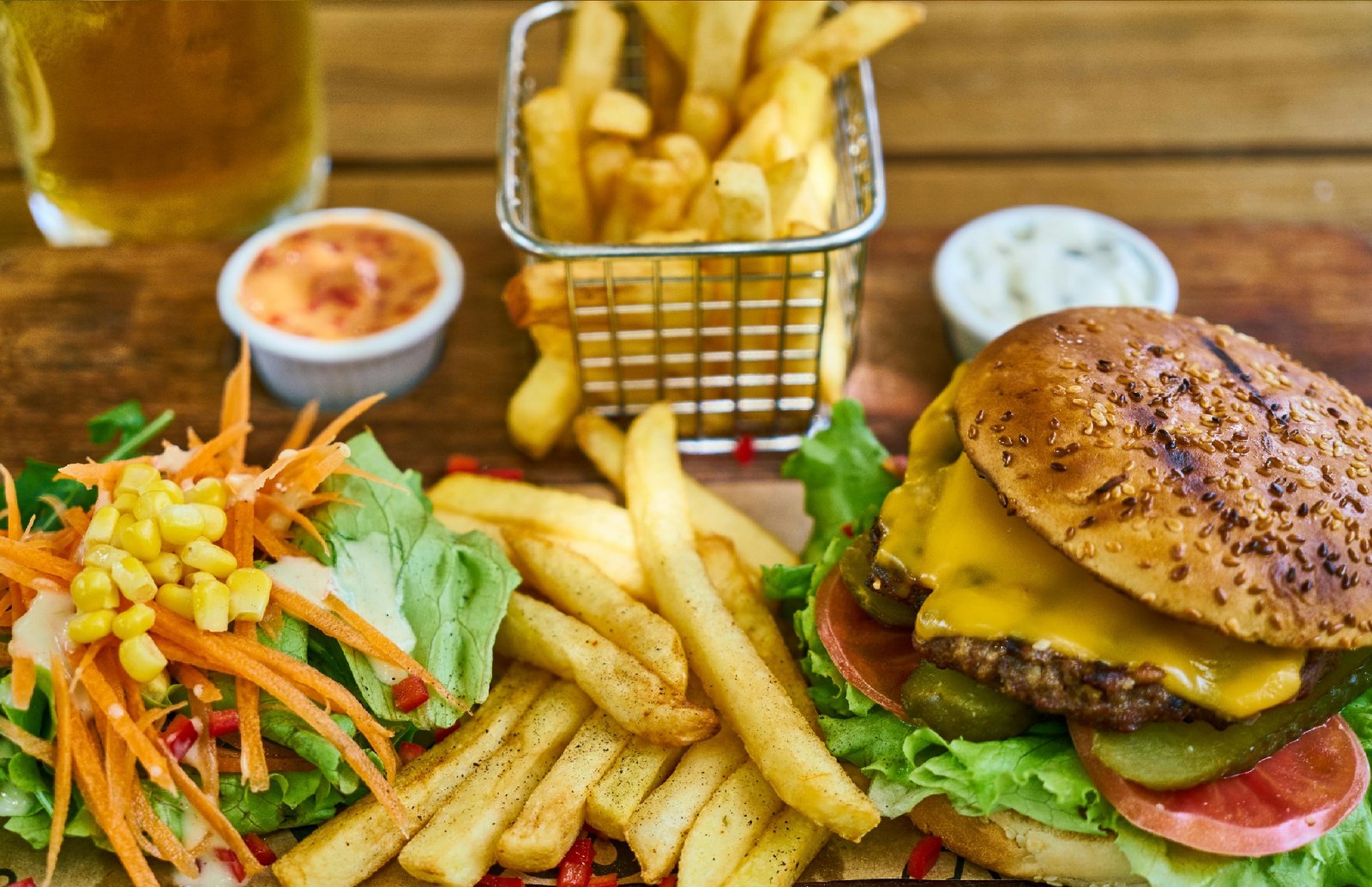
Indian cuisine is famous worldwide for its vibrant flavors, rich spices, and diverse culinary traditions. As the popularity of Indian food continues to grow globally, it has become increasingly important to ensure that the quality and authenticity of Indian ingredients and products meet international trade standards. In recent years, the Indian government has taken various measures to promote the export of Indian food products and ingredients to international markets. This includes implementing strict quality control measures, promoting food safety standards, and obtaining certifications that comply with international trade standards. One of the key challenges in exporting Indian cuisine is ensuring that the products meet the food safety and quality requirements of different countries. Each country has its own set of regulations and standards that must be met in order to export food products. This often involves obtaining certifications such as the Food Safety and Standards Authority of India (FSSAI) certification, which ensures that the products meet the food safety and quality standards set by the Indian government. Another important aspect of meeting international trade standards is ensuring the traceability of Indian food products. This means being able to trace the journey of the product from the farm to the consumer, ensuring transparency and accountability throughout the supply chain. By implementing traceability measures, Indian exporters can build trust with international buyers and consumers, demonstrating a commitment to quality and safety. In addition to quality control and traceability, promoting Indian cuisine on the global stage also involves protecting traditional knowledge and culinary practices. This includes obtaining geographical indication (GI) tags for products that are unique to specific regions in India, such as Basmati rice or Darjeeling tea. GI tags help protect the authenticity and reputation of these products, ensuring that they are not imitated or misrepresented in international markets. Overall, meeting international trade standards is essential for the continued success and growth of Indian cuisine in the global market. By ensuring that Indian food products meet quality and safety requirements, promoting traceability and transparency in the supply chain, and protecting traditional knowledge and culinary practices, Indian exporters can further establish the reputation of Indian cuisine as a world-class culinary experience. For more information: https://www.africalunch.com Looking for expert opinions? Find them in https://www.nerdcook.com Dive into the details to understand this topic thoroughly. https://www.bkitchens.com You can also check following website for more information about this subject: https://www.bestindianfoods.com To get a holistic view, consider https://www.deleci.com To find answers, navigate to https://www.adriaticfood.com To get more information check: https://www.alienvegan.com To get a different viewpoint, consider: https://www.cfruits.com Check the link: https://www.topinduction.com Dive into the details to understand this topic thoroughly. https://www.foxysweet.com For a detailed analysis, explore: https://www.eatnaturals.com To get a different viewpoint, consider: https://www.swiss-cuisine.com also don't miss more information at https://www.huevo.org To learn more, take a look at: https://www.digestible.org For a fresh perspective, give the following a read https://www.vacas.net If you're interested in this topic, I suggest reading https://www.cheffy.org For a different take on this issue, see https://www.loseweighton.com For a closer look, don't forget to read https://www.stomachs.org To understand this better, read https://www.tomumbai.com Want a more profound insight? Consult https://www.tokualalumpur.com also don't miss more information at https://www.yemekleri.org sources: https://www.culturelle.org For additional information, refer to: https://www.salting.org For an in-depth analysis, I recommend reading https://www.makanan.org also for More in https://www.gustar.net For an in-depth analysis, I recommend reading https://www.oneindia.net
Leave a Comment:
SEARCH
Recent News
- Zurich, Switzerland is known for its multicultural atmosphere and diverse culinary scene. One of the lesser-known gems of Zurich's food scene is Sudanese cuisine. Sudanese cuisine is a reflection of the country's diverse cultural influences, blending Arabic, African, and Mediterranean flavors to create a unique and delicious culinary experience.
- Zurich, Switzerland: A Culinary Journey through Regional Cuisine
- Zurich, Switzerland is known for its stunning landscapes, rich history, and vibrant culture. However, another aspect of Zurich that shouldn't be overlooked is its diverse and delicious fast food scene. From traditional Swiss street food to international favorites, there is something to satisfy every craving in Zurich. Let's take a closer look at some of the popular fast food options you can find in this picturesque city.
- Zurich, Switzerland is known for its stunning natural beauty, vibrant arts scene, and strong economy. However, what many people may not know is that this dynamic city also offers a diverse culinary experience that includes delicacies from around the world. One such cuisine that has found a home in Zurich is Philippine cuisine.
- Zurich, Switzerland is known for its picturesque views, stunning architecture, and vibrant cultural scene. Located in the heart of Europe, Zurich offers a mix of traditional Swiss cuisine and international flavors. One particular cuisine that has been making waves in Zurich is Paraguayan cuisine.
- Zurich, Switzerland is a city known for its stunning views, picturesque streets, and vibrant culture. It is also a melting pot of diverse culinary influences, with a wide range of cuisines to choose from. One such cuisine that has made its mark in Zurich is Norwegian cuisine.
- Zurich, Switzerland, and Montreal, Canada, are two vibrant cities known for their distinct cultural characteristics. While Zurich is renowned for its picturesque landscapes, rich history, and high standard of living, Montreal is famous for its diverse population, vibrant arts scene, and mouth-watering cuisine. In this blog post, we will delve into the delectable culinary offerings of Montreal and explore how its unique food scene sets it apart from the culinary landscape of Zurich.
- Zurich, Switzerland is a vibrant city known for its stunning architecture, picturesque landscapes, and diverse culinary scene. While Swiss cuisine certainly holds a special place in the hearts of many locals and visitors, the city also boasts a variety of international dining options, including Latin American food.
READ MORE
8 months ago Category :

Zurich, Switzerland is known for its multicultural atmosphere and diverse culinary scene. One of the lesser-known gems of Zurich's food scene is Sudanese cuisine. Sudanese cuisine is a reflection of the country's diverse cultural influences, blending Arabic, African, and Mediterranean flavors to create a unique and delicious culinary experience.
Read More →8 months ago Category :

Zurich, Switzerland: A Culinary Journey through Regional Cuisine
Read More →8 months ago Category :

Zurich, Switzerland is known for its stunning landscapes, rich history, and vibrant culture. However, another aspect of Zurich that shouldn't be overlooked is its diverse and delicious fast food scene. From traditional Swiss street food to international favorites, there is something to satisfy every craving in Zurich. Let's take a closer look at some of the popular fast food options you can find in this picturesque city.
Read More →8 months ago Category :
