Bolivian Cuisine VS Guatemalan Cuisine: A Flavorful Journey
Category : | Sub Category : Posted on 2025-11-03 22:25:23
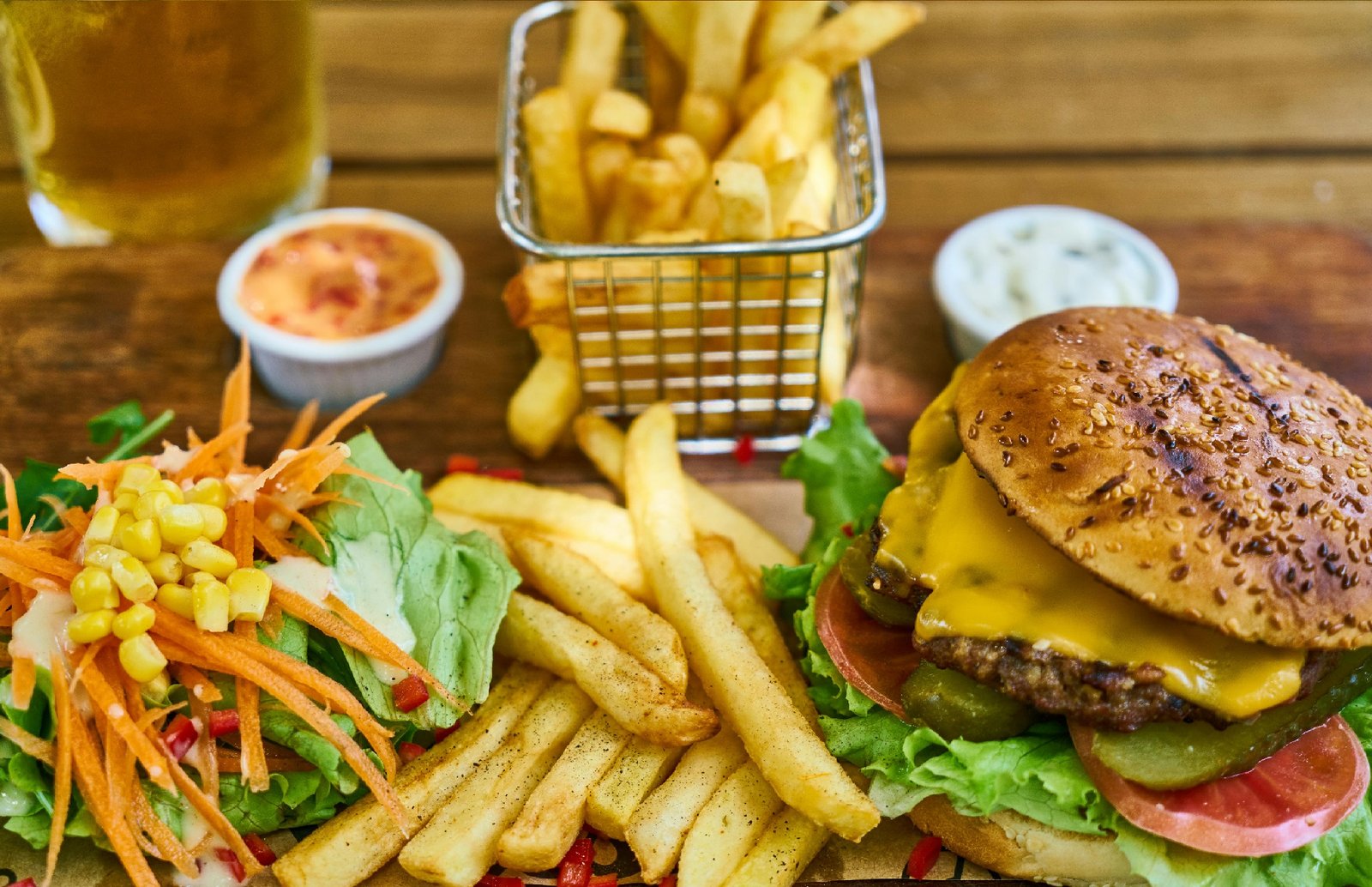
When it comes to exploring the rich and diverse culinary traditions of Latin America, Bolivia and Guatemala stand out as two countries with vibrant and unique gastronomic offerings. Despite being geographically distant, both nations boast a cornucopia of flavors and ingredients that reflect their cultural heritage and history. In this blog post, we will take a closer look at the distinct characteristics of Bolivian and Guatemalan cuisines, highlighting their key ingredients, traditional dishes, and culinary influences. Bolivian Cuisine: Bolivian cuisine is a reflection of the country's indigenous heritage, Spanish colonial influence, and Andean agricultural practices. Staple ingredients in Bolivian cooking include potatoes, quinoa, corn, beans, and various types of chilies. One of the most iconic Bolivian dishes is "Salteñas," savory pastries filled with a mixture of meat, potatoes, peas, and spices. Another popular dish is "Sopa de Mani," a peanut-based soup often enjoyed during special occasions. A unique aspect of Bolivian cuisine is the concept of "chuño," which refers to the traditional freeze-dried potatoes that are a vital part of the Andean diet. These preserved potatoes have been a staple food source for centuries and are used in a variety of dishes, representing the ingenuity of Andean agricultural practices. Guatemalan Cuisine: Guatemalan cuisine is a fusion of Mayan, Spanish, and African influences, resulting in a diverse and flavorful culinary landscape. Corn is a fundamental ingredient in Guatemalan cooking, often used to make tortillas, tamales, and other traditional dishes. Black beans, rice, plantains, and a variety of tropical fruits also play a prominent role in Guatemalan cuisine. One of the most beloved Guatemalan dishes is "Pepian," a rich and spicy stew made with meat, vegetables, and a blend of spices such as cumin, sesame seeds, and dried chilies. "Kak'ik" is another popular dish, a hearty turkey soup seasoned with achiote and other aromatic herbs. Guatemalan cuisine is known for its bold flavors, diverse ingredients, and colorful presentation. Bolivian Cuisine vs. Guatemalan Cuisine: While both Bolivian and Guatemalan cuisines share a love for hearty stews, maize-based dishes, and bold flavors, there are distinct differences that set them apart. Bolivian cuisine leans heavily on Andean ingredients such as quinoa, potatoes, and chuño, reflecting the country's high-altitude environment. In contrast, Guatemalan cuisine showcases a wider range of tropical fruits, spices, and culinary influences from Mayan and Spanish traditions. Whether you're savoring the delicate flavors of Bolivian "Humintas" or indulging in the robust aromas of Guatemalan "Jocon," both cuisines offer a culinary journey that celebrates history, tradition, and the vibrant spirit of Latin American gastronomy. In conclusion, exploring the culinary delights of Bolivia and Guatemala is a delightful adventure that unveils the rich tapestry of flavors, ingredients, and traditions that define these two distinct gastronomic landscapes. Whether you're a fan of spicy stews, savory pastries, or tropical fruit-infused dishes, both Bolivian and Guatemalan cuisines offer a culinary experience that is as diverse and colorful as the countries themselves. For more information: https://www.deleci.com Have a look at https://www.adriaticfood.com Here is the following website to check: https://www.alienvegan.com Have a look at https://www.cfruits.com For a different angle, consider what the following has to say. https://www.topinduction.com To find answers, navigate to https://www.foxysweet.com Dropy by for a visit at the following website https://www.eatnaturals.com For expert commentary, delve into https://www.swiss-cuisine.com To get more information check: https://www.hispanicblogger.com Seeking in-depth analysis? The following is a must-read. https://www.huevo.org also don't miss more information at https://www.investigar.org If you are enthusiast, check this out https://www.cotidiano.org For a comprehensive overview, don't miss: https://www.sugerencias.net Get a comprehensive view with https://www.digestible.org For the latest insights, read: https://www.vacas.net Dropy by for a visit at the following website https://www.cheffy.org To see the full details, click on: https://www.loseweighton.com You can find more about this subject in https://www.stomachs.org For expert commentary, delve into https://www.tosaopaulo.com Explore expert opinions in https://www.diaria.org If you're interested in this topic, I suggest reading https://www.cruzar.org For a detailed analysis, explore: https://www.yemekleri.org to Get more information at https://www.argentinainfo.com If you are enthusiast, check this out https://www.abandonar.org If you're interested in this topic, I suggest reading https://www.culturelle.org For a comprehensive review, explore https://www.departements.org Have a look at https://www.riodejanieroinfo.com For an alternative viewpoint, explore https://www.salting.org Check the link: https://www.latinoamericano.net Want a deeper understanding? https://www.regionales.net sources: https://www.makanan.org click the following link for more information: https://www.mexicocityinfo.com Seeking answers? You might find them in https://www.tohonduras.com For a fresh perspective, give the following a read https://www.paraguayinfo.com Get a comprehensive view with https://www.toguatemala.com Want to gain insights? Start with https://www.boliviainfo.com For comprehensive coverage, check out https://www.gustar.net For a different take on this issue, see https://www.elindependiente.net
Leave a Comment:
SEARCH
Recent News
- Zurich, Switzerland is known for its multicultural atmosphere and diverse culinary scene. One of the lesser-known gems of Zurich's food scene is Sudanese cuisine. Sudanese cuisine is a reflection of the country's diverse cultural influences, blending Arabic, African, and Mediterranean flavors to create a unique and delicious culinary experience.
- Zurich, Switzerland: A Culinary Journey through Regional Cuisine
- Zurich, Switzerland is known for its stunning landscapes, rich history, and vibrant culture. However, another aspect of Zurich that shouldn't be overlooked is its diverse and delicious fast food scene. From traditional Swiss street food to international favorites, there is something to satisfy every craving in Zurich. Let's take a closer look at some of the popular fast food options you can find in this picturesque city.
- Zurich, Switzerland is known for its stunning natural beauty, vibrant arts scene, and strong economy. However, what many people may not know is that this dynamic city also offers a diverse culinary experience that includes delicacies from around the world. One such cuisine that has found a home in Zurich is Philippine cuisine.
- Zurich, Switzerland is known for its picturesque views, stunning architecture, and vibrant cultural scene. Located in the heart of Europe, Zurich offers a mix of traditional Swiss cuisine and international flavors. One particular cuisine that has been making waves in Zurich is Paraguayan cuisine.
- Zurich, Switzerland is a city known for its stunning views, picturesque streets, and vibrant culture. It is also a melting pot of diverse culinary influences, with a wide range of cuisines to choose from. One such cuisine that has made its mark in Zurich is Norwegian cuisine.
- Zurich, Switzerland, and Montreal, Canada, are two vibrant cities known for their distinct cultural characteristics. While Zurich is renowned for its picturesque landscapes, rich history, and high standard of living, Montreal is famous for its diverse population, vibrant arts scene, and mouth-watering cuisine. In this blog post, we will delve into the delectable culinary offerings of Montreal and explore how its unique food scene sets it apart from the culinary landscape of Zurich.
- Zurich, Switzerland is a vibrant city known for its stunning architecture, picturesque landscapes, and diverse culinary scene. While Swiss cuisine certainly holds a special place in the hearts of many locals and visitors, the city also boasts a variety of international dining options, including Latin American food.
READ MORE
9 months ago Category :

Zurich, Switzerland is known for its multicultural atmosphere and diverse culinary scene. One of the lesser-known gems of Zurich's food scene is Sudanese cuisine. Sudanese cuisine is a reflection of the country's diverse cultural influences, blending Arabic, African, and Mediterranean flavors to create a unique and delicious culinary experience.
Read More →9 months ago Category :

Zurich, Switzerland: A Culinary Journey through Regional Cuisine
Read More →9 months ago Category :

Zurich, Switzerland is known for its stunning landscapes, rich history, and vibrant culture. However, another aspect of Zurich that shouldn't be overlooked is its diverse and delicious fast food scene. From traditional Swiss street food to international favorites, there is something to satisfy every craving in Zurich. Let's take a closer look at some of the popular fast food options you can find in this picturesque city.
Read More →9 months ago Category :
