Hungarian Cuisine: A Taste of Ancient Civilizations
Category : | Sub Category : Posted on 2025-11-03 22:25:23
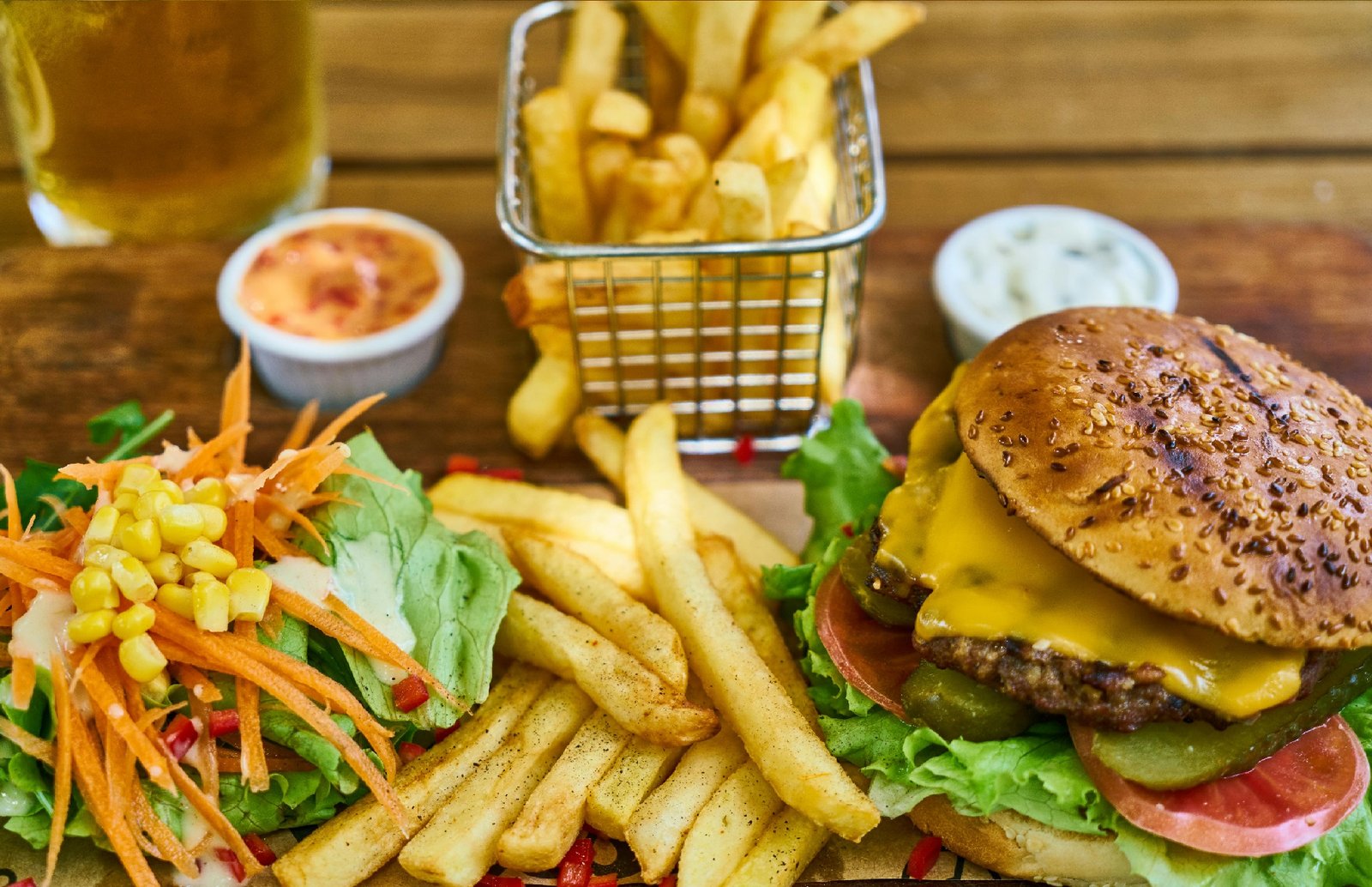
Hungary, located in the heart of Europe, has a rich culinary tradition that is deeply rooted in ancient civilizations and historical influences. Hungarian cuisine is a vibrant mix of flavors, ingredients, and techniques that have been passed down through generations, each contributing to the unique and diverse range of dishes that comprise modern Hungarian cuisine. The foundation of Hungarian cuisine can be traced back to the ancient Magyar people who settled in the Carpathian Basin in the 9th century. These nomadic tribes brought with them a rich culinary heritage that incorporated elements from various cultures they encountered during their migration across Europe and Asia. Over the centuries, Hungary’s cuisine evolved and absorbed culinary influences from neighboring countries, such as Austria, Turkey, and the Balkan states, creating a diverse and dynamic food culture that is distinctly Hungarian. One key aspect of Hungarian cuisine is its bold and robust flavors, characterized by the use of paprika, a spice that is central to many Hungarian dishes. Paprika, made from dried and ground peppers, adds a distinctive and fiery flavor to traditional Hungarian dishes such as goulash, paprikash, and lecso. These hearty stews and soups are staples of Hungarian cuisine and reflect the country’s agricultural roots, with ingredients like meat, potatoes, and vegetables featuring prominently in many dishes. Another hallmark of Hungarian cuisine is its use of traditional cooking techniques, such as slow cooking and braising, which help develop the rich and complex flavors that are characteristic of Hungarian dishes. In addition to stews and soups, Hungarian cuisine also includes a variety of pastries, desserts, and baked goods that showcase the country’s sweet tooth and love of rich, indulgent treats. Some popular Hungarian dishes include lángos, a deep-fried dough topped with sour cream and cheese; töltött káposzta, cabbage rolls stuffed with a savory mixture of meat and rice; and chimney cake, a sweet pastry cooked over an open flame and coated in sugar and cinnamon. These dishes, along with others like pörkölt (a meat stew) and túrós csusza (noodles with cottage cheese), are beloved by Hungarians and visitors alike, showcasing the diversity and richness of Hungarian cuisine. In conclusion, Hungarian cuisine is a tantalizing fusion of ancient civilizations and culinary traditions that have come together to create a vibrant and flavorful food culture. Whether you’re sampling a hearty stew, indulging in a sweet treat, or savoring a savory pastry, Hungarian cuisine offers a taste of history and heritage that is sure to delight your taste buds and leave you craving more. So, the next time you find yourself in Hungary or at a Hungarian restaurant, be sure to explore the diverse and delicious world of Hungarian cuisine – you won’t be disappointed! Explore this subject in detail with https://www.nerdcook.com To expand your knowledge, I recommend: https://www.bkitchens.com Visit the following website https://www.indianspecialty.com You can also Have a visit at https://www.bestindianfoods.com also click the following link for more https://www.deleci.com If you're interested in this topic, I suggest reading https://www.adriaticfood.com click the following link for more information: https://www.alienvegan.com For an in-depth analysis, I recommend reading https://www.cfruits.com To get a holistic view, consider https://www.topinduction.com To get a holistic view, consider https://www.foxysweet.com For valuable insights, consult https://www.eatnaturals.com To expand your knowledge, I recommend: https://www.swiss-cuisine.com Get more at https://www.huevo.org To find answers, navigate to https://www.digestible.org Find expert opinions in https://www.vacas.net For a deeper dive, visit: https://www.cheffy.org Have a look at the following website to get more information https://www.loseweighton.com Dive into the details to understand this topic thoroughly. https://www.stomachs.org To find answers, navigate to https://www.yemekleri.org More in https://www.salting.org You can find more about this subject in https://www.makanan.org To learn more, take a look at: https://www.gustar.net
Leave a Comment:
SEARCH
Recent News
- Zurich, Switzerland is known for its multicultural atmosphere and diverse culinary scene. One of the lesser-known gems of Zurich's food scene is Sudanese cuisine. Sudanese cuisine is a reflection of the country's diverse cultural influences, blending Arabic, African, and Mediterranean flavors to create a unique and delicious culinary experience.
- Zurich, Switzerland: A Culinary Journey through Regional Cuisine
- Zurich, Switzerland is known for its stunning landscapes, rich history, and vibrant culture. However, another aspect of Zurich that shouldn't be overlooked is its diverse and delicious fast food scene. From traditional Swiss street food to international favorites, there is something to satisfy every craving in Zurich. Let's take a closer look at some of the popular fast food options you can find in this picturesque city.
- Zurich, Switzerland is known for its stunning natural beauty, vibrant arts scene, and strong economy. However, what many people may not know is that this dynamic city also offers a diverse culinary experience that includes delicacies from around the world. One such cuisine that has found a home in Zurich is Philippine cuisine.
- Zurich, Switzerland is known for its picturesque views, stunning architecture, and vibrant cultural scene. Located in the heart of Europe, Zurich offers a mix of traditional Swiss cuisine and international flavors. One particular cuisine that has been making waves in Zurich is Paraguayan cuisine.
- Zurich, Switzerland is a city known for its stunning views, picturesque streets, and vibrant culture. It is also a melting pot of diverse culinary influences, with a wide range of cuisines to choose from. One such cuisine that has made its mark in Zurich is Norwegian cuisine.
- Zurich, Switzerland, and Montreal, Canada, are two vibrant cities known for their distinct cultural characteristics. While Zurich is renowned for its picturesque landscapes, rich history, and high standard of living, Montreal is famous for its diverse population, vibrant arts scene, and mouth-watering cuisine. In this blog post, we will delve into the delectable culinary offerings of Montreal and explore how its unique food scene sets it apart from the culinary landscape of Zurich.
- Zurich, Switzerland is a vibrant city known for its stunning architecture, picturesque landscapes, and diverse culinary scene. While Swiss cuisine certainly holds a special place in the hearts of many locals and visitors, the city also boasts a variety of international dining options, including Latin American food.
READ MORE
10 months ago Category :

Zurich, Switzerland is known for its multicultural atmosphere and diverse culinary scene. One of the lesser-known gems of Zurich's food scene is Sudanese cuisine. Sudanese cuisine is a reflection of the country's diverse cultural influences, blending Arabic, African, and Mediterranean flavors to create a unique and delicious culinary experience.
Read More →10 months ago Category :

Zurich, Switzerland: A Culinary Journey through Regional Cuisine
Read More →10 months ago Category :

Zurich, Switzerland is known for its stunning landscapes, rich history, and vibrant culture. However, another aspect of Zurich that shouldn't be overlooked is its diverse and delicious fast food scene. From traditional Swiss street food to international favorites, there is something to satisfy every craving in Zurich. Let's take a closer look at some of the popular fast food options you can find in this picturesque city.
Read More →10 months ago Category :
